INTRODUCTION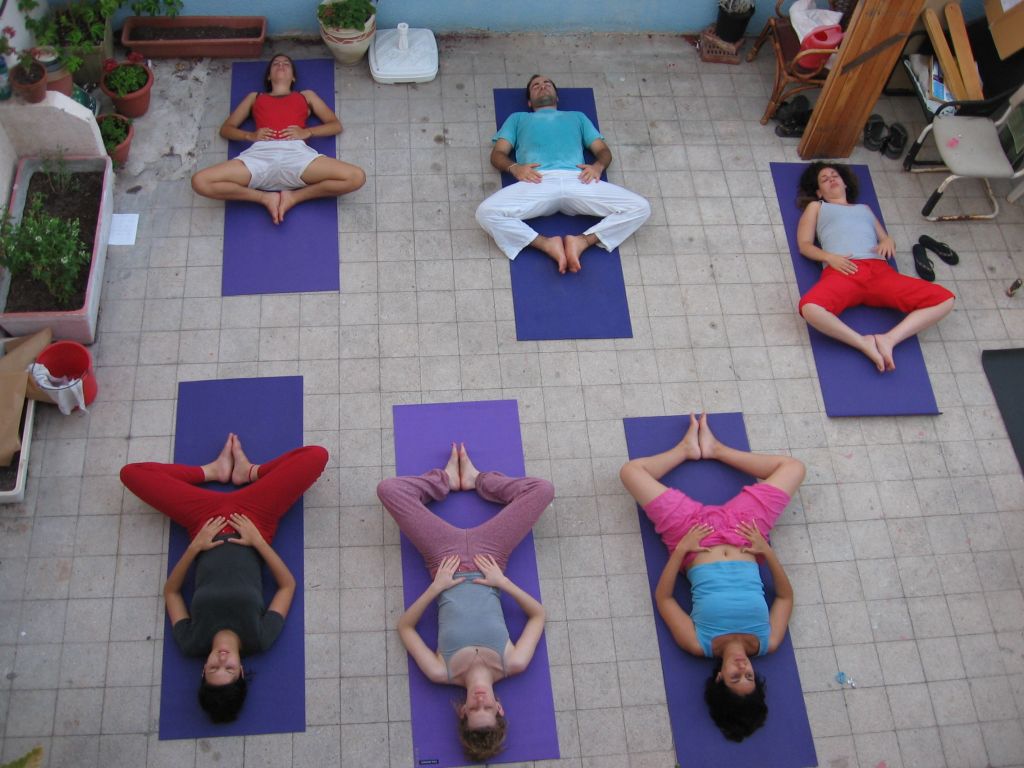
Supta Baddha Konasana (Reclining Cobbler's Pose)
The original uploader was Trollderella at English Wikipedia.,
CC BY-SA 2.0, via Wikimedia Commons
Yoga is a discipline that unites body, breath, and mind through postures, breathing techniques, and meditation practices.
Among the many asanas, or postures, that promote both strength and serenity, Supta Konasana, also called the Sleeping Angle Pose or Reclining Angle Pose, holds a special place for its blend of deep stretching and calming inversion.
Though it is considered an advanced practice, it offers immense benefits when approached mindfully and patiently.
This essay explores the origins, step-by-step guide, physical and mental benefits, variations, preparatory practices, safety considerations, and the therapeutic value of Supta Konasana, providing a comprehensive understanding of this transformative yoga posture.
Understanding Supta Konasana
The term “supta” means “reclining” or “lying down,” while “kona” means “angle.” In this asana, the practitioner reclines backward while spreading the legs into a wide “V” shape and extending them overhead so that the toes ideally touch the ground behind the head. The arms rest comfortably on the floor, either outstretched or holding the feet, depending on flexibility and stability.
Supta Konasana is often introduced after a steady practice of Halasana (Plow Pose) and Urdhva Konasana (Upward Angle Pose) because it requires flexibility in the hamstrings, hips, and spine, as well as control in the core muscles.
The posture may look serene and still, but it demands strength, balance, and mindful breathing to maintain.
Step-by-Step Guide to Practicing Supta Konasana
|
| Supta Baddha Konasana (Reclining Cobbler's Pose) The original uploader was Trollderella at English Wikipedia., CC BY-SA 2.0, via Wikimedia Commons |
- PreparationBegin in a supine (lying on your back) position on a yoga mat. Place your arms by your sides and take a few deep breaths to center yourself.
-
Entry into HalasanaInhale, and with control, lift your legs overhead, bringing them towards the floor behind you, as you would in the Plow Pose. Keep your neck long and avoid turning your head during the pose to prevent strain.
-
Spreading the LegsSlowly and carefully spread the legs apart into a wide angle, forming a “V” shape. The toes aim to touch the floor behind the head, though this may take time and consistent practice.
-
Arm PositioningThe arms can remain extended along the floor, palms facing downward, or the hands can hold the big toes for added stability.
-
Breathing and AlignmentMaintain steady, deep breaths, allowing the chest and abdomen to expand. The spine should remain elongated, and the legs should stay active, pressing slightly outward through the heels.
-
DurationHold the pose for 15–30 seconds initially, gradually extending up to one minute or more as comfort increases.
-
Releasing the PoseTo exit, slowly bring the legs together, return them over the head into Halasana, and then, with control, roll the spine down vertebra by vertebra until you are lying flat again. Rest in Shavasana (Corpse Pose) for a few breaths.
Preparatory Poses
Since Supta Konasana demands significant flexibility, several preparatory asanas help prepare the body:
-
Paschimottanasana (Seated Forward Bend): Lengthens the hamstrings and spine.
-
Upavistha Konasana (Wide-Angle Seated Forward Bend): Opens the hips and inner thighs.
-
Supta Baddha Konasana (Reclined Bound Angle Pose): Relaxes the pelvic region.
-
Halasana (Plow Pose): Conditions the spine and core for inversion.
-
Sarvangasana (Shoulder Stand): Builds stability and balance in inversions.
Benefits of Supta Konasana
1. Physical Benefits
-
Hamstring Flexibility: The wide-leg extension offers one of the deepest hamstring stretches.
-
Hip Opening: Targets the groin and inner thighs, releasing tension in tight hips.
-
Spinal Elongation: Provides a gentle traction to the spine, counteracting compression from daily activities.
-
Digestive Support: The inversion stimulates abdominal organs, aiding sluggish digestion and metabolism.
-
Circulatory Boost: Enhances blood flow to the brain, improving oxygen supply and overall vitality.
Supta Baddha Konasana (Reclining Cobbler's Pose)
The original uploader was Trollderella at English Wikipedia.,
CC BY-SA 2.0, via Wikimedia Commons
2. Mental and Emotional Benefits
The original uploader was Trollderella at English Wikipedia.,
CC BY-SA 2.0, via Wikimedia Commons
-
Focus and Concentration: Balancing in this pose requires awareness, sharpening mental clarity.
-
Stress Relief: The inverted position calms the nervous system, reducing anxiety and restlessness.
-
Mind-Body Connection: The stillness of the pose fosters introspection and mindfulness.
Variations of Supta Konasana
-
Supported Supta Konasana: Using props such as bolsters or yoga blocks beneath the legs or hips allows beginners to experience the posture without straining.
-
Half Supta Konasana: Instead of placing both legs overhead, one leg remains extended while the other folds back, making the stretch more accessible.
-
Dynamic Supta Konasana: Practitioners can gently rock the legs from side to side while in the pose to enhance flexibility and massage the lower back.
|
| Supta Baddha Konasana (Reclining Cobbler's Pose) The original uploader was Trollderella at English Wikipedia., CC BY-SA 2.0, via Wikimedia Commons |
Safety Precautions
As Supta Konasana is an advanced inversion, it must be practiced with care:
-
Avoid if you have neck, back, or shoulder injuries.
-
Those with high blood pressure, glaucoma, or heart conditions should seek medical advice before attempting.
-
Pregnant individuals should refrain from practicing this posture.
-
Warm up thoroughly before attempting deep stretches.
-
Always exit the pose slowly to prevent strain.
Beginners are encouraged to practice under the guidance of a certified yoga instructor until they build confidence and stability.
Therapeutic Applications
Yoga teachers often recommend Supta Konasana as a therapeutic posture for:
-
Hip Tightness: Especially beneficial for those who sit for long hours.
-
Sluggish Digestion: The abdominal compression stimulates digestive fire (agni).
-
Menstrual Discomfort: Gentle practice may relieve cramps by improving pelvic circulation.
-
Anxiety Relief: The inward focus of the pose encourages deep relaxation.
Integrating Supta Konasana into Practice
|
| Supta Baddha Konasana (Reclining Cobbler's Pose) The original uploader was Trollderella at English Wikipedia., CC BY-SA 2.0, via Wikimedia Commons |
Supta Konasana works best when included as part of a sequence rather than as an isolated pose. For instance:
-
Begin with gentle stretches like Cat-Cow Pose and Seated Forward Bends.
-
Progress into Shoulder Stand and Plow Pose.
-
Transition into Supta Konasana for the peak stretch.
-
Conclude with Matsyasana (Fish Pose) to counterbalance the inversion and open the chest.
The Deeper Symbolism of Supta Konasana
Beyond its physical benefits, Supta Konasana symbolizes surrender and expansion. Reclining with the legs stretched wide invites openness, vulnerability, and release of stored emotions. The inversion encourages a shift in perspective, reminding practitioners to see life from new angles. In yogic philosophy, such postures cultivate humility and receptivity—qualities essential for inner growth.
Common Mistakes and How to Correct Them
-
Straining the Neck: Always keep the gaze fixed upward and avoid turning the head.
-
Forcing the Stretch: Flexibility develops gradually; forcing the legs wider can cause injury.
-
Collapsed Spine: Engage the core and elongate the back to maintain integrity of alignment.
-
Breath Holding: Steady, deep breathing prevents tension buildup and supports balance.
Conclusion
Supta Konasana, or the Sleeping Angle Pose, is a profound yoga posture that merges physical intensity with mental stillness. While demanding in terms of flexibility and balance, it rewards practitioners with improved circulation, deeper stretches, digestive health, and emotional clarity. Practiced with patience and respect for the body’s limits, it becomes not just a physical pose but a meditative journey inward.
For advanced yogis, Supta Konasana is both a challenge and a sanctuary—an asana that reflects the union of strength, openness, and surrender that yoga as a whole embodies.


No comments:
Post a Comment